Stablecoins Move Into the Payments Mainstream
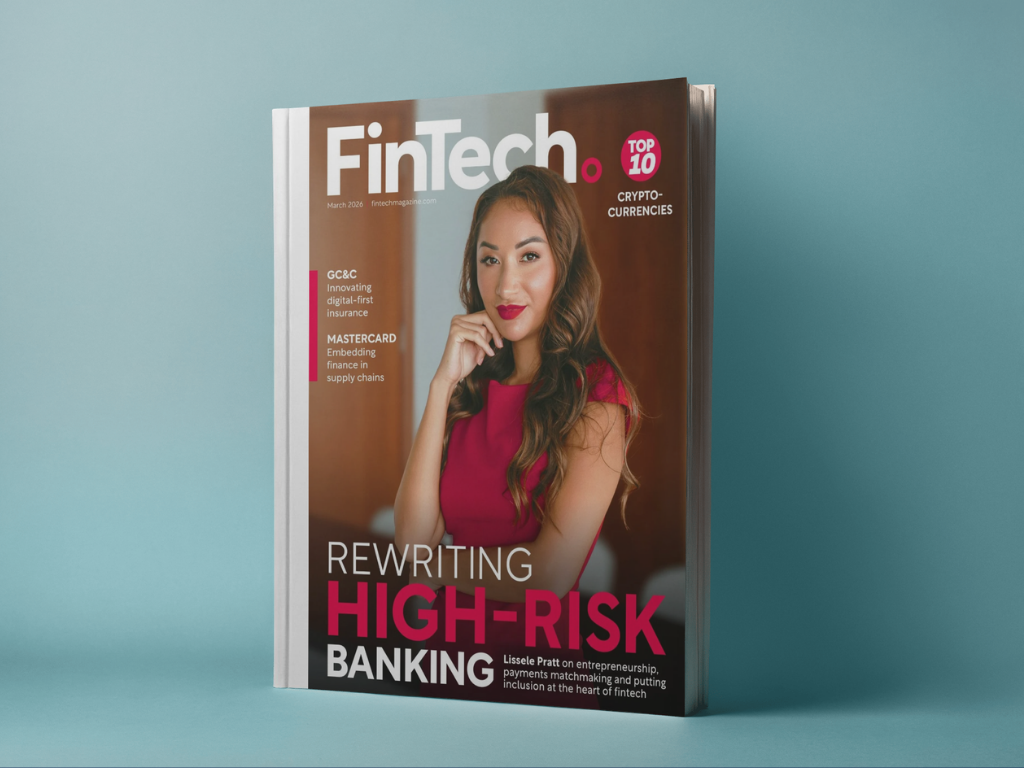
Stablecoins in payments are rapidly transitioning from crypto’s experimental edge to the core of global finance. During The Fintech Times webinar, “Using Stablecoins in Payments,” Capitalixe Co-Founder Lissele Pratt joined David Janczewski from CoinCover and Teresa Cameron from Clear Junction to discuss how these digital assets are being adopted by payment service providers (PSPs) and what this means for cross-border efficiency, compliance, and accessibility.
Key Takeaways from the Discussion
- Adoption is accelerating. Stablecoins in payments are no longer a crypto experiment, they’re becoming part of the global payments ecosystem.
- Compliance remains critical. Strong KYC, AML, and wallet security practices are essential for sustainable adoption.
- Regulation will shape growth. UK and EU frameworks, including MiCA, are helping stabilise the market.
- Cross-border efficiency is unmatched. Stablecoins can make global transfers faster, cheaper, and more predictable.
- Collaboration is key. Banks, PSPs, and fintechs must work together to build trust and interoperability.

Why Stablecoins Are Changing Payments
The real value of stablecoins in payments lies in efficiency and accessibility. They enable instant settlement, transparent tracking, and lower FX costs, advantages especially evident in emerging markets where traditional payment rails like SWIFT can be slow and expensive.
The session, moderated by The Fintech Times Editorial Director Mark Walker, opened with a discussion on whether stablecoins in payments could make cross-border payments as seamless as local transfers, a theme that resonated throughout the conversation.
During the webinar, Lissele Pratt explained that stablecoins are already helping businesses move money faster and more efficiently across borders.
“We’ve seen such an adoption, especially this year in stablecoins. It’s such a hype this year and a lot of payment service providers are now integrating it,” she said. “Stablecoins can help a lot of payment service providers streamline cross-border payments, reduce transaction costs, and settle transactions far quicker than traditional payment rails like SWIFT.”
Her perspective reflected what many in the industry are now seeing: stablecoins in payments are moving from experimental to essential. They’re not just a technology trend but a practical tool for reducing friction in global finance.
Pratt also highlighted how this evolution is most visible in regions where speed and affordability are critical.
“What I’m seeing a lot is migrant workers from the UK and Europe or the US and Canada who want to send money back home to places like Latin America, the Philippines, or India,” she said. “Using blockchain or stablecoins means they don’t have to rely on the SWIFT network, which can be very costly, around £20 per transaction. Via blockchain technology, payments are almost instant, as opposed to through the SWIFT network when it can be two, three, four days even.”
By improving remittances and expanding financial inclusion, stablecoins are reshaping how PSPs and fintechs serve global markets, making payments faster, cheaper, and more inclusive than ever before.
Regulation and the Road Ahead
While adoption continues to accelerate, regulation remains the key to unlocking stablecoins’ full potential. Frameworks such as the EU’s Markets in Crypto-Assets (MiCA) and the UK’s upcoming legislation are providing much-needed clarity on how institutions can safely integrate stablecoin-based solutions into existing infrastructure.
For PSPs and fintechs, this structure provides a clearer path to innovation, ensuring that compliance, security, and transparency stay at the heart of every implementation. As more regulatory guidance takes shape across major markets, confidence in stablecoins is expected to grow among both businesses and consumers.
This balance between innovation and oversight will define the next phase of stablecoin adoption, one focused on scalability, stability, and trust.
The Future of Stablecoins in Payments
The Fintech Times webinar made one thing clear: stablecoins are no longer a fringe innovation. They’re redefining how money moves across borders: faster, cheaper, and with more inclusivity than ever before.
For Capitalixe, the message is simple: innovation and compliance must go hand in hand. As stablecoins continue to mature, they represent not just a technological shift but a new opportunity to make global finance more efficient, accessible, and resilient.
___________
If your business is exploring stablecoins in payments or looking to build compliant cross-border solutions, Capitalixe can help, speak with our experts.